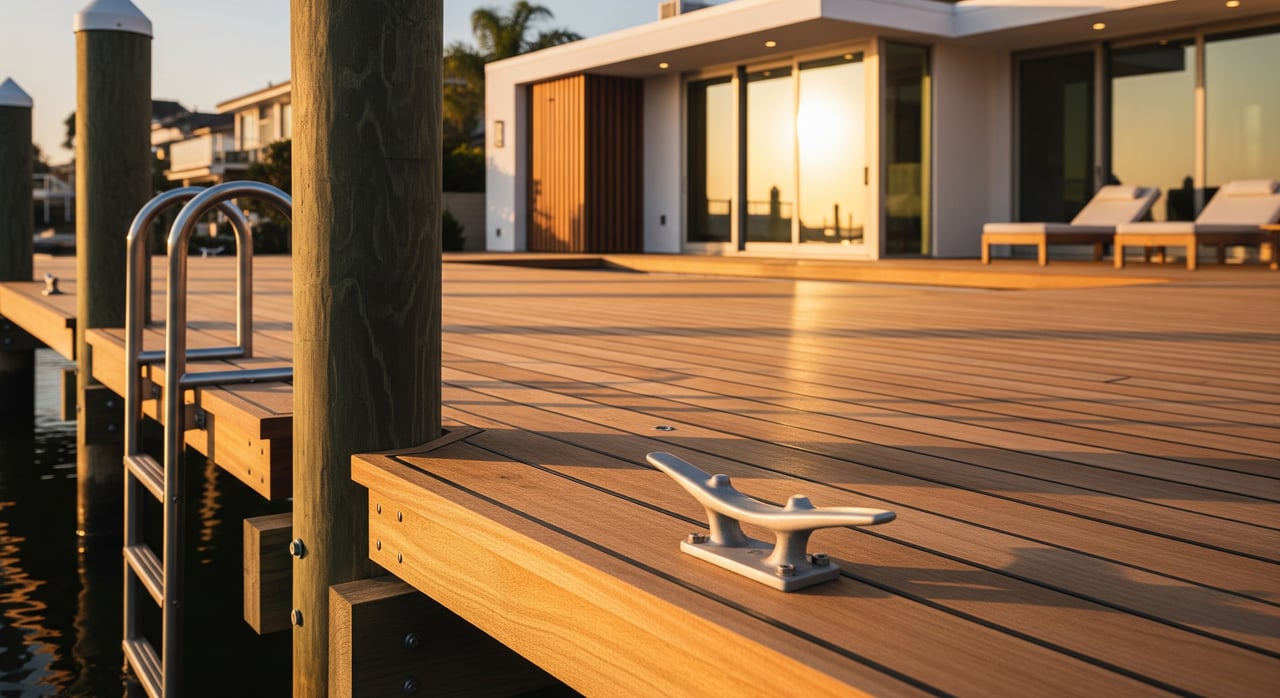
You fall in love with the water first, but your decision should hinge on the dock. In Mandalay Bay, the dock, utilities, and seawall are part of your home’s true value and long-term costs. If you inspect them well, you can buy with confidence and avoid surprise assessments or repairs.
This step-by-step checklist gives you exactly what to request, what to look for on site, and when to call waterfront specialists. You will leave with a clear plan you can use before, during, and after your inspection. Let’s dive in.
Prepare before the site visit
Request these items from the seller and HOA so you start with the facts:
- HOA rules specific to slips and docks, including mooring assignments, guest slip policies, and rental rules.
- Permits, permit numbers, and any as-built drawings for the dock, gangway, and seawall. Include records of prior repairs.
- The latest HOA reserve study and maintenance plan for marine structures.
- Insurance certificates for common elements and any claims history tied to docks or seawalls.
- Recent inspection reports: marine or structural engineer reports, diver surveys, and dredging records.
- Utility bills for the slip if power or water is separately metered.
- Written disclosure on pending assessments, litigation, or violations involving docks or seawalls.
Why it matters: docks and seawalls often need approvals from multiple agencies. Missing permits or weak reserves can lead to delays, added costs, or lender and insurance issues.
Inspect the dock structure
Pilings and framing
- Pilings: check vertical alignment, leaning, cracking, corrosion on steel, rot or shipworm damage on timber, and spalling or exposed rebar on concrete.
- Pile caps and fendering: look for damage, missing caps, and corroded fasteners.
- Framing and stringers: note sagging, deflection, loose or poor connections.
Decking, floatation, and hardware
- Decking: feel for soft spots, rot, loose boards, missing fasteners, and slippery surfaces. Assess non-skid condition.
- Floatation on floating docks: look for leaks, shifting floats, or a tilted deck.
- Fasteners and connectors: flag corroded bolts, missing connectors, or non-marine-grade hardware.
Gangway, cleats, and safety gear
- Gangway and ramp: check hinge condition, secure attachment, slope at different tides, and anti-slip surface. Look for hinge and gear corrosion.
- Cleats and mooring hardware: confirm secure attachment, appropriate size and number for your vessel.
- Bumpers and rub rails: verify coverage and wear at hull contact points.
- Safety fixtures: ladders, handrails, lighting, life rings, and fire safety where required.
Drainage and spills
- Look for staining, oily sheen, algae buildup, or grease near fixtures. These can hint at leaks or poor housekeeping.
Verify utilities at the slip
Shore power and dock wiring
- Shore power pedestal: check for corrosion, missing covers, rusted enclosures, or discolored insulation.
- Labels and ratings: note voltage and amperage and the presence of GFCI protection. Do not operate test or reset buttons unless qualified.
- Grounding and bonding: look for visible bonding conductors and signs of stray current corrosion, such as green-blue crust on metals.
- Evidence of permitted work: ask for electrical permits and contractor documentation.
- Safety tip: ask a licensed marine electrician familiar with NEC Article 555 and ABYC standards to complete functional testing for voltage, polarity, and leakage.
Potable water and plumbing
- Hose bibs: inspect for leaks and confirm a backflow prevention device is present and labeled.
- Walkways and deck: check for wet patches or active drips.
- Water pressure: ask the HOA about pressure, seasonal availability, and any winterization schedules.
- Waste handling: locate pump-out stations and confirm rules for sewage disposal. Look for any signs of illegal discharge.
Check the seawall and shoreline
- Wall condition: note cracking, leaning, slumping, heaving, spalling, and any exposed reinforcement.
- Toe scour: at low tide, look for exposed footings, undermining, or washouts at the base of the wall and around piles.
- Drainage: check weep holes for blockages and staining that suggest trapped water pressure.
- Erosion and vegetation: look for erosion at the top of the wall or adjacent bank and signs of poor stormwater control.
- Dredging history: ask the HOA about recent or planned dredging. Sediment affects water depth and pile loading.
Confirm navigation and depth
- Measure water depth at low tide and record the tide source and time. Verify it works for your boat’s draft with a safety margin.
- Approach path: scan for obstructions, nearby pilings, rocks, or shallow shelves.
- Maneuvering room: confirm swing room and mooring geometry for your boat’s length, beam, and air draft. Consider nearby bridges if relevant.
Environmental and compliance checks
- Look for fuel, oil, or sewage stains. Ongoing leaks can trigger reporting and remediation.
- Ask for any environmental studies that mention protected habitats such as eelgrass. These can affect repair methods and timing.
- Scan for unpermitted work like new piles or concrete with no permit record. Unpermitted changes can lead to removal or retroactive mitigation.
Photos and notes to capture
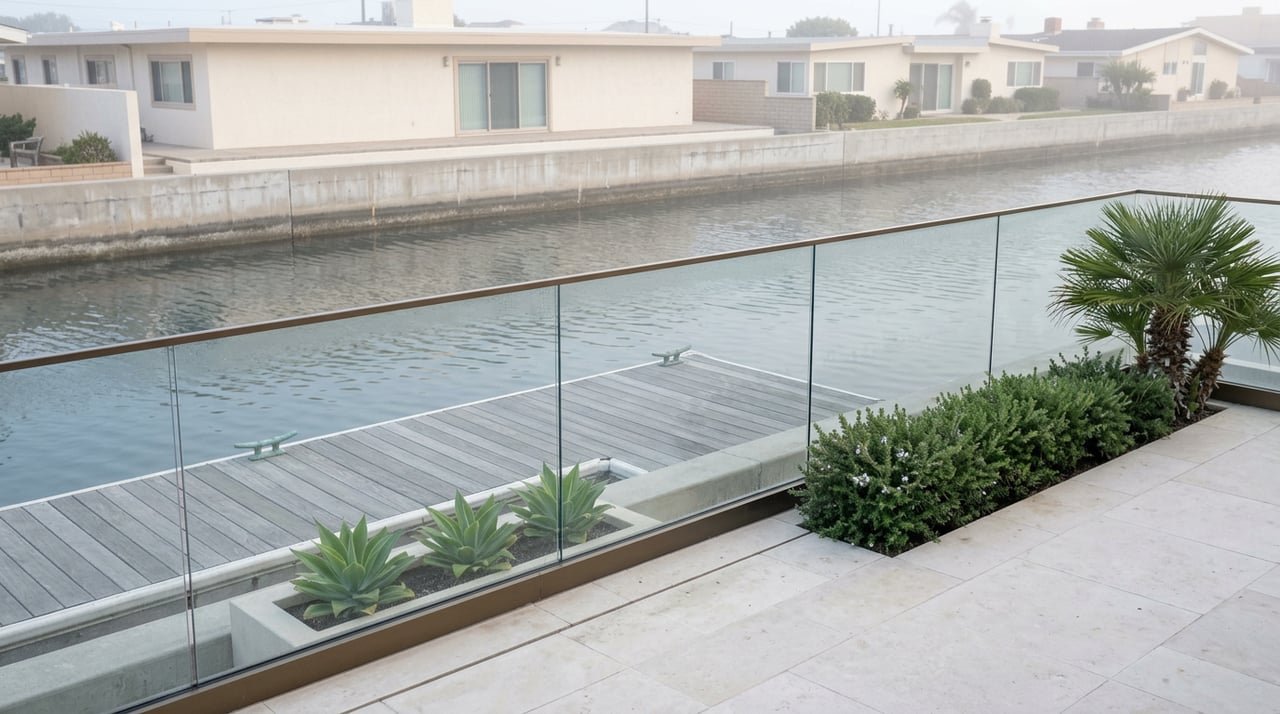
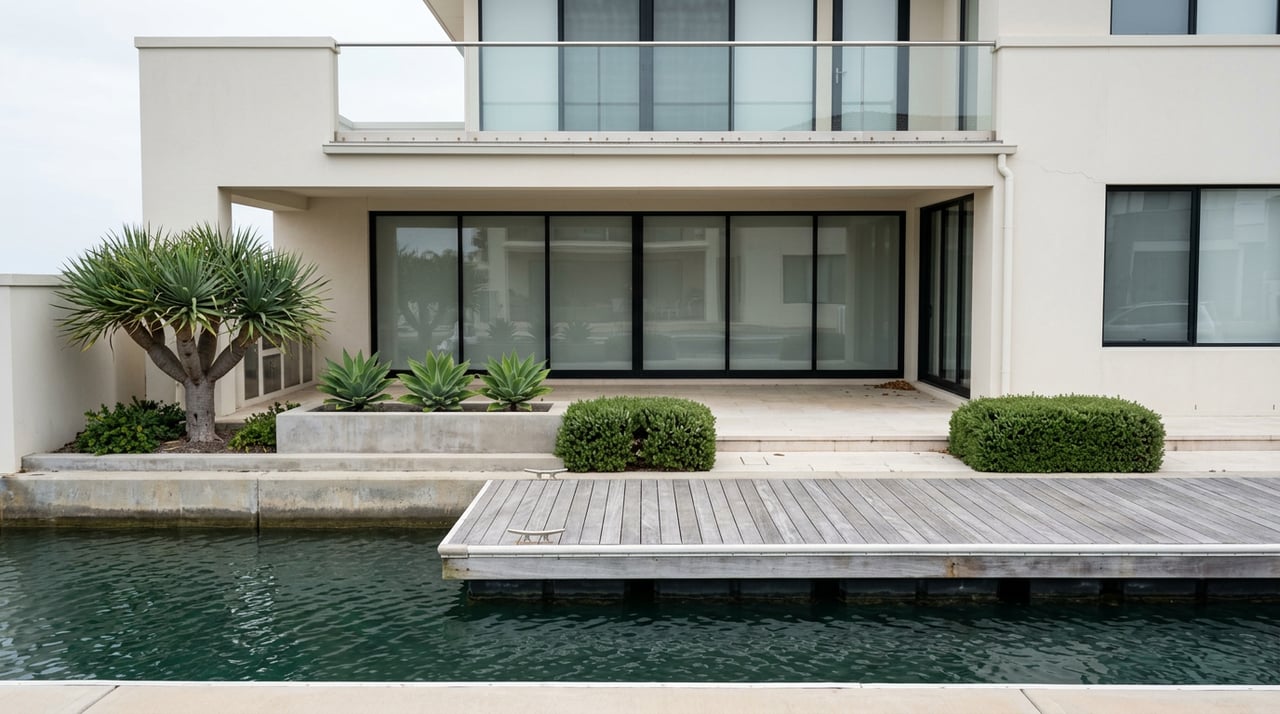
- Take wide shots that show the dock relative to the shoreline and seawall.
- Capture close-ups of defects, fasteners, electrical labels, and any stamped plates or tags.
- Record the tide stage, time of day, and weather conditions.
- Keep a running list of questions that require HOA or specialist follow-up.
Red flags and next steps
- Structural: leaning pilings, severe rot or borer damage, seawall cracks with exposed rebar, or repeated patches without engineering.
- Electrical: corroded pedestals, missing GFCI, or suspected stray current corrosion.
- Compliance: unpermitted repairs, missing permit history, or HOA disclosures about litigation or assessments.
- Depth: sediment buildup that reduces berth depth below your vessel needs.
What to do next:
- Order targeted inspections from a marine structural engineer, diver, or marine electrician based on the issue.
- If permits are missing, require the seller to provide them or use an escrow holdback until resolved.
- Review the reserve study for funding gaps and timing of major replacements. Adjust your offer or plan for future costs.
- For suspect utilities, require repairs with permits and signed completion letters from licensed contractors before closing.
When to bring in specialists
Marine or structural engineer
- Triggers: leaning or settling pilings or seawall, major cracking, exposed rebar, unknown floatation, or signs of scour.
- Deliverable: a written report with load capacity, repair recommendations, and a diver inspection if needed.
Licensed marine electrician
- Triggers: corroded shore power, missing GFCI, unreliable power, or signs of stray current.
- Deliverable: testing for voltage, polarity, and leakage, a corrosion assessment, code corrections, and documentation for permits.
Marine surveyor or diver
- Triggers: unknown underwater conditions, pontoon leaks, suspected pile scour, or shifting submerged components.
- Deliverable: underwater photos or video, notes on sediment depth and pile condition, and repair recommendations.
Geotechnical or coastal engineer
- Triggers: seawall movement, notable bank erosion, persistent settlement, or planned stabilization or dredging.
- Deliverable: geotechnical assessment, shoreline stabilization plan, and permitting strategy.
Environmental consultant or permitting specialist
- Triggers: potential impacts to eelgrass, wetlands, or protected species, or a complicated permit history.
- Deliverable: biological assessments and a coordinated plan across agencies for required approvals.
Marine-experienced general contractor
- Purpose: cost estimates and repair sequencing after engineers provide scope.
Tip for selection: prioritize pros with Ventura County and Channel Islands Harbor experience. Ask for references and sample reports suitable for escrow and lender review.
Plan your inspection day
- Schedule near low tide and note the tide station and datum you used.
- Bring a camera, flashlight, moisture meter, binoculars, and your checklist.
- Do not step on suspect sections. Flag them for specialist follow-up instead.
- Confirm access with the HOA for dock keys, electrical pedestals, and any scheduled closures or dredging windows.
Make a confident offer in Mandalay Bay
Buying a dock-front home in Mandalay Bay should balance lifestyle and numbers. Your dock, utilities, and seawall shape your true ownership costs, insurance options, and resale value. With the right documentation, on-site checks, and targeted specialists, you can make clean requests, price repairs accurately, and negotiate with clarity.
If you want a waterfront-specific inspection plan, introductions to local marine engineers and electricians, and a pricing strategy that reflects real dock and seawall conditions, reach out to Billy Davidson. You will get local harbor insight backed by a CPA-trained eye on costs, permits, and long-term value.
FAQs
What documents should I request from the Mandalay Bay HOA before inspection?
- Ask for CC&Rs, bylaws, dock rules, recent board minutes on docks or seawalls, the latest reserve study, insurance policies and loss history, permits and as-builts, dredging agreements, and any notices of violations or pending assessments.
How do I confirm if past dock repairs were properly permitted in Ventura County?
- Request permit numbers and final approvals from the seller and HOA, compare to as-built drawings and dates, and ask for any related engineering reports; if gaps remain, consult the local planning or harbor department and make permits a condition in escrow.
How can I verify water depth for my boat at low tide in Mandalay Bay?
- Measure depth at the slip during a predicted low tide, record the tide source and time, and compare the result to your boat’s fully loaded draft plus a safety margin to ensure safe clearance.
Who is responsible for dock and seawall repairs in a Mandalay Bay HOA?
- Responsibility is defined in the CC&Rs and reserve study; review them to see what is a common element versus homeowner responsibility and whether funding is already allocated or will require a special assessment.
When should I hire a marine electrician instead of a general electrician?
- Hire a marine electrician for shore power systems and dock wiring, especially if you see corrosion, missing GFCI, tripping breakers, or suspected stray current, since marinas require specialized testing and code knowledge.