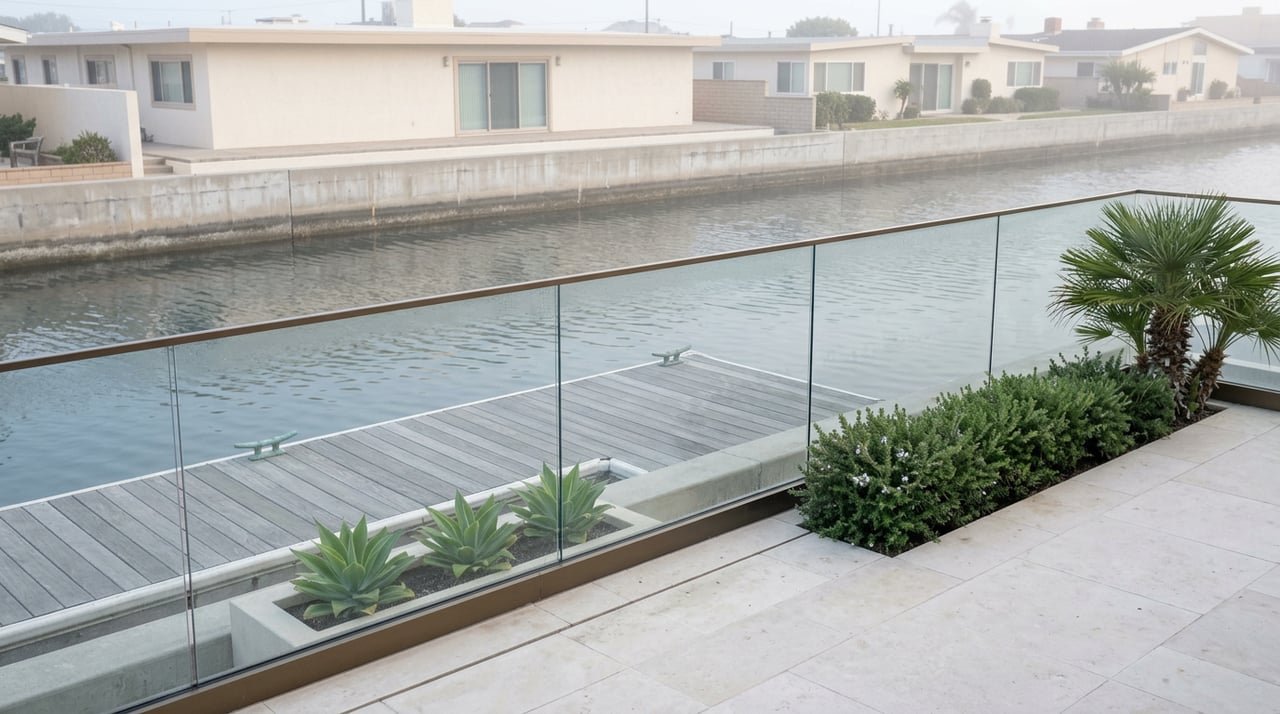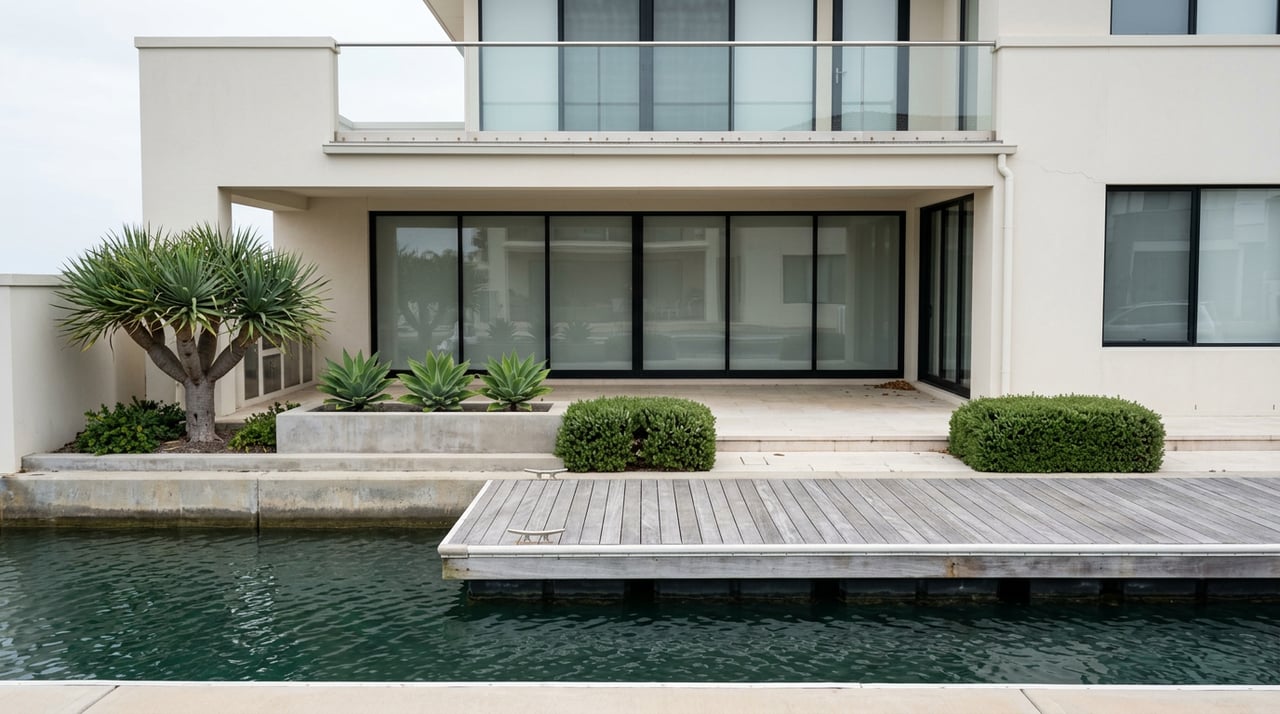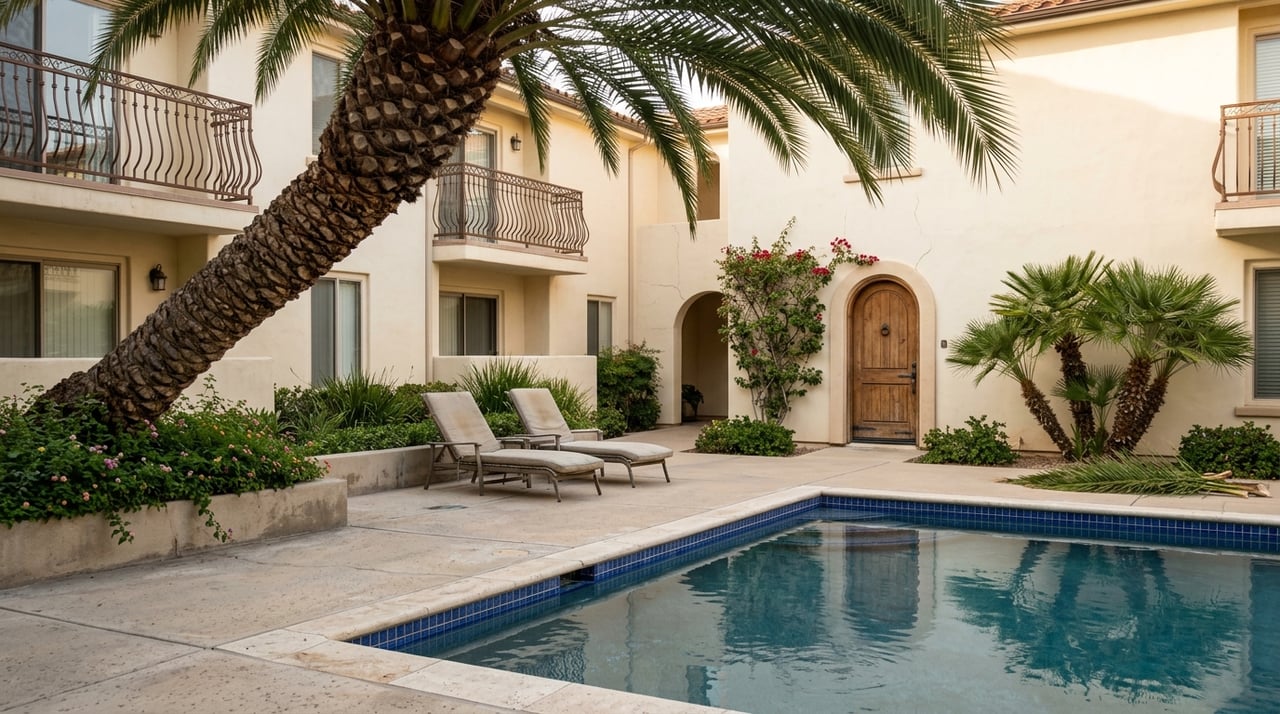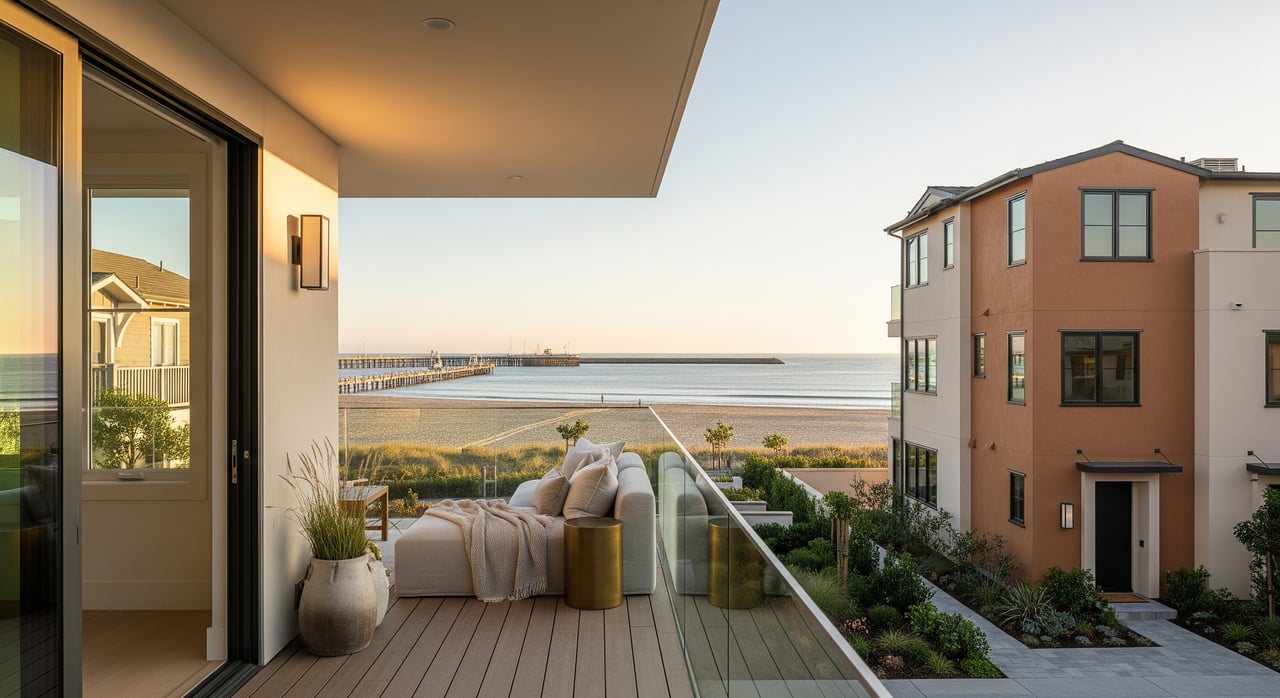
Dreaming of morning walks on Hueneme Beach and easy access to Channel Islands Harbor, but not sure whether a beach condo or a townhome is the smarter move? You’re not alone. Buyers in Port Hueneme often balance walkability, low‑maintenance living, and space for cars or water gear against HOA rules, insurance, and coastal risks. This guide breaks down the key differences so you can choose with confidence. Let’s dive in.
Port Hueneme context
Port Hueneme offers a classic coastal lifestyle with direct beach access and close proximity to Channel Islands Harbor. That location also shapes your ownership experience. Salt air, coastal storms, and flood considerations can influence maintenance cycles, insurance needs, and HOA planning.
Most options near the beach are part of an HOA. That can be a benefit if you want lock‑and‑leave convenience, but it also means reviewing rules, budgets, and reserves with care before you buy.
Quick snapshot: condo vs townhome
- Condos: You own the interior of the unit plus a share of common areas. HOAs often handle exterior maintenance, which can simplify your life.
- Townhomes: Often feel like a small home with more privacy and a garage. Legal form varies. Some townhomes are fee simple with owner responsibility for exterior elements, while others are legally condos.
- Costs: HOA dues, special assessments, and insurance vary by community and legal form. Salt‑air exposure can shorten the life of roofs, paint, and metal.
- Lifestyle: Condos usually mean easier maintenance and more shared spaces. Townhomes often provide more private outdoor areas and direct entries.
- Parking and storage: Townhomes more often include private garages. Condos may offer assigned spaces and limited guest parking. Boat and trailer storage is separate from most HOAs.
Ownership and legal basics
A condominium gives you a deed to your unit and an undivided interest in common areas. Exterior walls, roofing, and shared spaces are typically managed by the HOA. That’s why HOA dues and reserve studies matter so much in condo communities.
Townhomes can be fee simple or condo‑titled. In some townhome communities, you own the structure and land directly and may be responsible for exterior items like the roof or small yard areas. The only way to know for sure is to review the recorded CC&Rs, plat or parcel map, and the HOA’s maintenance responsibility matrix.
What it means for maintenance
- Condos: HOAs usually handle exterior paint, siding, roof, and common landscaping.
- Townhomes: You may be responsible for the roof and exterior, depending on the documents.
- Always confirm responsibilities in the CC&Rs and rules. Do not assume based on how the property looks.
Financing and resale variables
Lenders examine condo projects closely. High investor ratios, low reserves, or pending litigation can limit financing options. For both condos and townhomes, strong HOA financials, clear maintenance plans, and clean meeting minutes support smoother financing and better resale appeal.
Monthly and long‑term costs
Your total cost of ownership goes beyond the mortgage. Focus on recurring dues, insurance, maintenance, and potential special assessments.
- HOA dues: Often cover exterior upkeep in condo projects, common area maintenance, water/landscaping, trash, and parts of the master insurance. In townhomes, inclusions can be narrower.
- Special assessments: One‑time charges for capital projects. Review the history and ask about any upcoming assessments.
- Utilities and services: Some HOAs include water, trash, or basic cable. Others do not.
- Salt‑air impact: Coastal exposure can accelerate corrosion of metal, shorten roof life, and increase repainting frequency. Healthy HOA reserves and realistic maintenance schedules are critical near the beach.
Insurance essentials
Insurance needs depend on the legal form and the HOA’s master policy.
- Master policy scope: Determine if the HOA’s policy is all‑in or bare‑walls. Request the declarations page.
- Owner policies:
- Condos: You usually need an HO‑6 for interior finishes, personal property, and loss assessment.
- Townhomes: If you own the building envelope, you typically need an HO‑3 or HO‑5 that covers the structure and contents.
- Earthquake: Separate earthquake coverage is common in Southern California. HOA master policies rarely include it.
- Flood: If the property is in a FEMA flood zone, lenders will require flood insurance. Flood status is parcel‑specific, so check maps and elevation data for the exact location.
Insurance checklist
- Ask for the HOA master policy declarations page.
- Confirm whether it is walls‑in or bare‑walls coverage.
- Match your policy type to what the master policy does not cover.
- Price earthquake and, if applicable, flood insurance.
- Review HOA loss assessment coverage and deductibles.
Parking, storage, and boating
Parking and storage are make‑or‑break features for many Port Hueneme buyers. A townhome with an attached garage can be ideal if you want secure parking, surfboard or kayak storage, or space for beach gear. Some condos provide assigned spaces or carports, with limited guest parking.
Boat and trailer storage is usually handled outside the HOA. Channel Islands Harbor facilities are managed separately, and city rules often restrict long‑term trailer parking on public streets. If boating is part of your plan, verify slip access, launch options, and storage availability before you decide on a property.
Lifestyle and privacy
Condo living often means more neighbors, shared walls, and elevators or common stairwells. The tradeoff is convenience. If the HOA maintains the exterior, you gain a true lock‑and‑leave setup, which can be great for second‑home or part‑time use.
Townhomes typically offer more privacy, private outdoor space, and direct entries. You may have a patio or small yard and fewer shared vertical neighbors. That extra space can come with added maintenance responsibility if the exterior is yours to maintain under the CC&Rs.
Coastal risks and permits
Coastal properties face hazards that influence insurance, financing, and renovation plans. FEMA flood zones and Base Flood Elevations determine whether flood insurance is required. V‑zones carry stricter standards and costs. Sea level rise and erosion are long‑term considerations that can affect future budgets and improvements.
Projects in the coastal zone may require coastal development permits, and older beachfront structures may need upgrades to align with current building codes or flood mitigation best practices. If you plan to remodel, factor in timelines and approvals early.
What to verify before you buy
Use this checklist to reduce surprises and protect your budget.
- Legal form: Condo, fee‑simple townhome, PUD, or condo‑titled townhome. Confirm with the recorded deed, plat, or parcel map.
- HOA documents: CC&Rs, Bylaws, Rules, current Budget, Reserve study, Master insurance declarations, and recent meeting minutes.
- Dues and assessments: Current HOA dues, what they cover, any announced increases, and special assessment history.
- Maintenance responsibility matrix: Who pays for roof, exterior paint, siding, decks, fencing, gutters, and landscaping.
- Insurance alignment: What the master policy covers and what you must insure personally. Match HO‑6 vs HO‑3/HO‑5 accordingly.
- Flood status: Parcel‑specific FEMA flood zone and any elevation certificate.
- Condition and capital projects: Year built, roof replacement dates, exterior paint cycles, seismic retrofits, and any deferred maintenance.
- Parking and storage: Number of spaces, guest parking rules, garage size for townhomes, and on‑site storage availability.
- Boat access: Distance to slips or ramps, harbor waitlists or availability, and trailer storage options. Check applicable city and harbor rules.
- Rentals and pets: Read the exact rental and short‑term rental language and pet rules if those matter to your plans.
Choose your best fit
Pick a beach condo if you want low‑maintenance living, a shorter walk to the sand, and an HOA that handles most exterior items. Condos can be an efficient choice for second‑home buyers or anyone who values convenience over private yard space.
Pick a townhome if you want more privacy, a direct entry, a garage for boards and bikes, and possibly a small yard or patio. Just be ready to take on more exterior responsibility if the CC&Rs assign it to owners.
Either way, focus on three things: the legal form, the true cost of ownership, and the coastal risk profile. With the right documents in hand, you can compare apples to apples and choose the lifestyle and budget that fit you best.
Ready for a clear side‑by‑side on specific Port Hueneme communities, including HOA reserves, insurance scope, and flood status? Let’s build your short list and run the numbers together. Reach out to Billy Davidson for a personalized fit check and document review.
FAQs
Who pays for exterior repairs in Port Hueneme condos and townhomes?
- It depends on the legal form and CC&Rs; condos usually assign exterior work to the HOA, while townhomes may assign some or all exterior items to owners.
What does an HOA master policy cover in Port Hueneme communities?
- Coverage varies; request the master policy declarations page to see if it is bare‑walls or walls‑in and then match your personal policy accordingly.
Are beach condos or townhomes easier to insure near Hueneme Beach?
- It varies by legal form and location; many townhomes need HO‑3 or HO‑5 coverage for the structure, while condos typically use HO‑6 plus loss assessment, with separate earthquake and potential flood policies.
Can you store a boat or trailer if you buy near Channel Islands Harbor?
- Most HOAs do not allow on‑site boat or trailer storage; slips, trailer storage, and launch parking are managed separately through harbor facilities and local rules.
Do Port Hueneme HOAs allow short‑term rentals near the beach?
- Rules differ widely; some coastal HOAs prohibit or tightly regulate short‑term rentals, so confirm the exact language in the CC&Rs and local ordinances.
How does salt air at Hueneme Beach affect long‑term maintenance costs?
- Salt accelerates corrosion and shortens the life of exterior finishes and mechanicals, which should be reflected in HOA reserves and your personal maintenance planning.